This week's assignments was one of my favourites as it entailed doing something i love more than anything else- watching a TED video. I spent an entire summer watching as many TED videos as i could because they're mind blowing and informative.
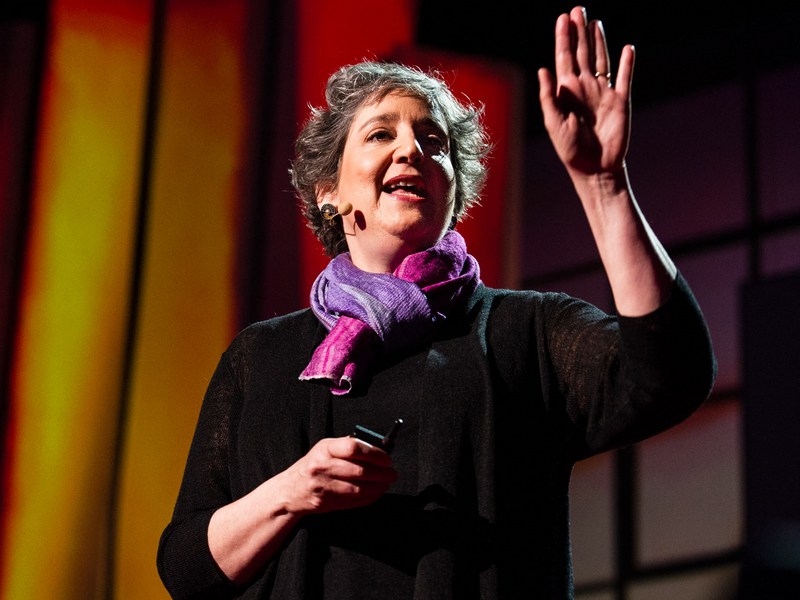
The talk we had to watch was on creativity delivered by Julie Burnstein. I sat down to watch and was thoroughly engrossed for every single second of the 17 minutes and 20 seconds that she spoke.
Julie Burnstein spoke about how imperfection is the basis of creativity and that the key component is to 'let go'. Let go of fear, let go of reality, let go of boundaries.
She proposed that there are 4 aspects to embracing our creativity:
The first is paying attention to our surroundings. Creativity blossoms from really observing and analysing everything around us. In time, we can tune our minds to perpetually be perceptive to the smallest things.
The second aspect is embracing the difficulties and obstacles in our lives by trying to learn from them rather than overcome them. Trying to fight our way through everything is not always the answer. She stated that some artists believe that they're best works come out of parts of their life that are most difficult. Their problems made them think, which in turn led to creativity.
The third embrace is experience. Experiences can be of all kinds, but eventually they all go on record to impact us in some way. An observation, an action, a melody- anything and everything can make us experience something. In order to be creative we need to use the experiences that enhance our creativity and 'let go' of the experiences that hold us back. This also requires acceptance and change which are hard at first but turn out to be for the best.
The fourth and final embrace is loss. Loss is something we all have to endure in some form or another. This aspect is probably the hardest for one to wrap one's head around as it is emotionally challenging. But it's important to know that loss is a part of life and we can choose to either let it tear us apart or make something of it. Beauty can be seen in the wake of devastation and destruction. Wounds will heal over time and leave nothing but a memory. Artists and other creative thinkers choose to immortalise these wounds through their work to remind us of the suffering we've had to undergo to get where we are now.
She concluded her speech by sighting an example of a Japanese tea bowl made hundreds of years ago that cracked. Someone decided to put the bowl back together but in the process he emphasised the cracks using gold laquer. Now the bowl looks even better than it did before. What we learn from this is that imperfection isn't something to detest but embrace instead.
Thank you,
Samyuktha Chandar
The talk we had to watch was on creativity delivered by Julie Burnstein. I sat down to watch and was thoroughly engrossed for every single second of the 17 minutes and 20 seconds that she spoke.
Julie Burnstein spoke about how imperfection is the basis of creativity and that the key component is to 'let go'. Let go of fear, let go of reality, let go of boundaries.
She proposed that there are 4 aspects to embracing our creativity:
The first is paying attention to our surroundings. Creativity blossoms from really observing and analysing everything around us. In time, we can tune our minds to perpetually be perceptive to the smallest things.
The second aspect is embracing the difficulties and obstacles in our lives by trying to learn from them rather than overcome them. Trying to fight our way through everything is not always the answer. She stated that some artists believe that they're best works come out of parts of their life that are most difficult. Their problems made them think, which in turn led to creativity.
The third embrace is experience. Experiences can be of all kinds, but eventually they all go on record to impact us in some way. An observation, an action, a melody- anything and everything can make us experience something. In order to be creative we need to use the experiences that enhance our creativity and 'let go' of the experiences that hold us back. This also requires acceptance and change which are hard at first but turn out to be for the best.
The fourth and final embrace is loss. Loss is something we all have to endure in some form or another. This aspect is probably the hardest for one to wrap one's head around as it is emotionally challenging. But it's important to know that loss is a part of life and we can choose to either let it tear us apart or make something of it. Beauty can be seen in the wake of devastation and destruction. Wounds will heal over time and leave nothing but a memory. Artists and other creative thinkers choose to immortalise these wounds through their work to remind us of the suffering we've had to undergo to get where we are now.
She concluded her speech by sighting an example of a Japanese tea bowl made hundreds of years ago that cracked. Someone decided to put the bowl back together but in the process he emphasised the cracks using gold laquer. Now the bowl looks even better than it did before. What we learn from this is that imperfection isn't something to detest but embrace instead.
Thank you,
Samyuktha Chandar

No comments:
Post a Comment